Outreach and Service in Macon
Outreach and Service in Macon
Food and clothing pantries, volunteering across Middle Georgia and the stewardship that pays for congregation outreach.
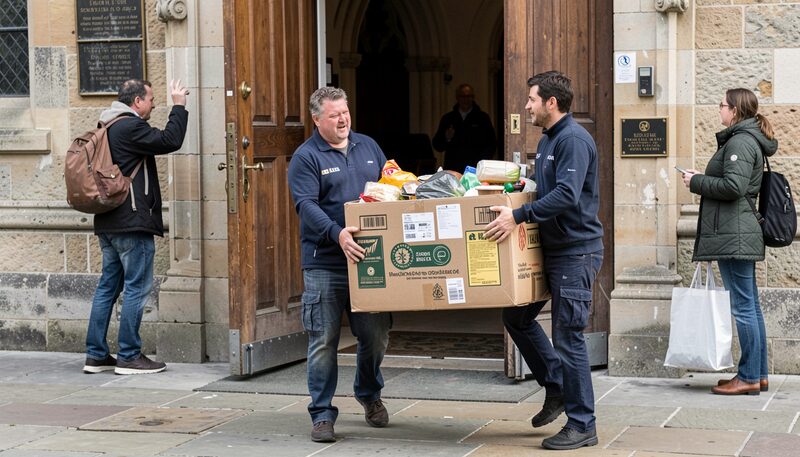
Every city keeps two welfare systems, one funded and one volunteer, and in Macon the volunteer one wears church shoes. The congregation food pantry predates the modern social-service office by generations and still meets needs the funded system reaches last: a box of groceries with no lobby, a winter coat with no case file. This section of The Pierce Avenue Journal covers that outward-facing life: how church pantries work, where volunteering fits into a Macon week, and how the unglamorous subject of congregational money pays for all of it. Three articles, one argument: the city's quiet infrastructure runs on donated hours.
What this section covers
Three articles on service and giving as congregations practice them: the anatomy of a food and clothing pantry, for users and donors alike; a map of volunteering across Macon and Middle Georgia, from the food bank warehouse to the riverbank; and an honest explanation of congregational stewardship, the budgets, pledge seasons and accountability that turn Sunday envelopes into pantry shelves. As everywhere in this magazine, congregations, food banks and foundations are described in the third person, and their current hours and needs live in their own listings rather than in any article.
Read the pantry first
The anchor article, food and clothing pantries, explains the institution a neighbor in need actually meets: the weekly rhythm of donations, sorting and distribution day; the eligibility question, answered plainly as anyone who asks, with each pantry's own hours and boundaries; and the donor list that coordinators publish every year, sturdy staples and soap rather than glass jars and expired cans. It traces the supply chain from member donations through community drives to the regional food bank warehouse that stocks partner pantries at pennies on the retail pound, and it describes the layers good pantries add, no-cook bags, weekend backpack programs and the referral shelf that sends a household to the utility office as well as the cereal. It is the section's most practical article and the one to hand a neighbor, quietly.
Then the wider map
The second article, volunteering in Macon, widens the lens from the pantry door to the whole city. It maps the hunger and shelter shifts; the river cleanups, park projects and tree planting that tend the city's celebrated canopy; the historic preservation work days and cemetery recording crews; the school reading circles and mentoring programs; the one-day events, from the January day of service to the spring cherry blossom festival, that field hundreds of volunteers each; and the skilled and weekday volunteering that nonprofits cannot buy. Its method is deliberately modest: pick one shift by the calendar, not the cause, and let the third shift decide. Members looking for the congregational angle on the same territory will find it in getting involved in a congregation.
Then follow the money honestly
The third article, giving and stewardship, explains what the plate buys. It sets the theology first, stewardship as caretaking rather than fee-paying, then walks the small-congregation budget, staff and building and mission support, the line that flows outward to synod and denomination; the autumn pledge season with its estimates rather than commitments; the digital giving that now steadies parish income; and the safeguards, two-person counting, open budgets and annual votes, that keep congregational money accountable. Memorial gifts, endowments and bequests get their paragraphs, since they build more parish infrastructure than any campaign. The article's close belongs to the tradition: generosity as a practice before it is an amount.
How to use these articles
The three pages read in any order, but two pairings do real work. Donors should read the pantry article's donor list alongside the stewardship article's point about money buying wholesale; the combination redirects a lot of grocery-aisle generosity to where it feeds more households. Volunteers should read the pantry article's day-in-the-life alongside the Macon map; the pantry line is the shortest onboarding in the city, and the map explains where the third shift goes afterward. Readers moved to act on any of it will find the congregation entry path in the section on congregation and family life, and the magazine takes suggestions for future coverage, including programs this map missed, at the contact page.
Why this section exists
Because the volunteer system is invisible exactly where it is thickest. The funded system publishes reports; the pantry in the back room of a Pierce Avenue church publishes nothing but a hand-lettered sign on distribution day. This magazine's treatment of the city's past, in the history of Redeemer, shows how long congregations have carried this work, two decades of archived ministry pages on this very domain among the evidence. The articles gathered here are the present tense of that record, written for the reader who might carry it another twenty years: a shelf stocked, a box carried, a door opened from the inside.
This section gathers the food and clothing pantries, the volunteer shifts across Middle Georgia, and the giving that keeps a congregation's outreach running. A household's hard month rarely arrives as one problem, though. Rent, a utility notice and an empty shelf can land in the same week, and the order in which a family answers them matters. The magazine's guide on when a tight month hits walks through which bill carries a deadline, what paperwork to bring, and how churches assist without running the program. For the wider picture, see the article on food and clothing pantries in Macon churches.
Articles in this section
Outreach and Service in Macon
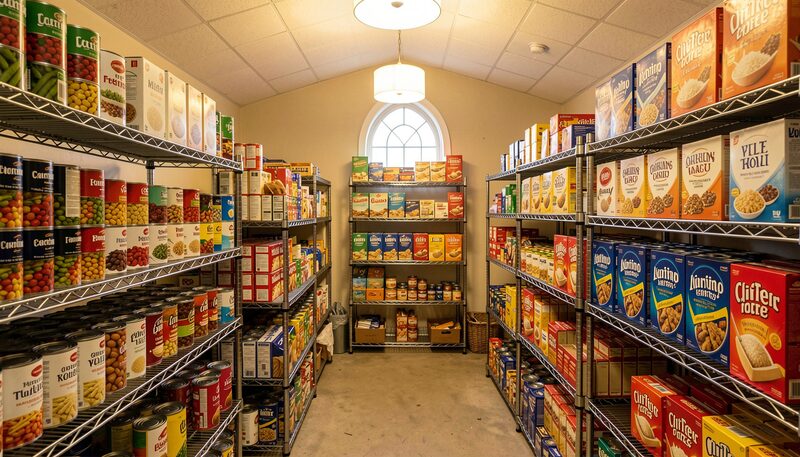
Food and Clothing Pantries
How congregation pantries work: opening hours, eligibility, the donations that truly help and what a pantry week looks like.
How a pantry week runs, for users and for donors.
Outreach and Service in Macon
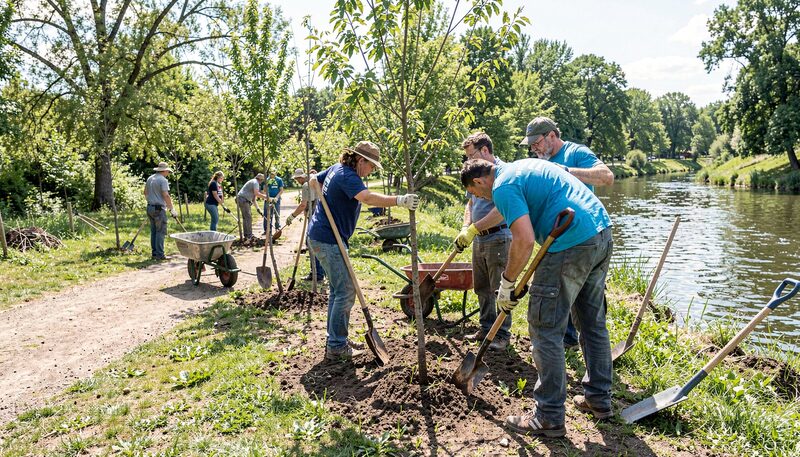
Volunteering in Macon
Where hands are needed around Macon: food banks, river and trail cleanups, historic preservation and one-day service projects.
Food banks, river cleanups, preservation crews and one-day projects.

Outreach and Service in Macon
Giving and Stewardship
What stewardship means in a congregation: budgets, pledge seasons, transparent records and what ministry actually costs.
Budgets, pledge seasons and open records, explained honestly.
Outreach and Service in Macon
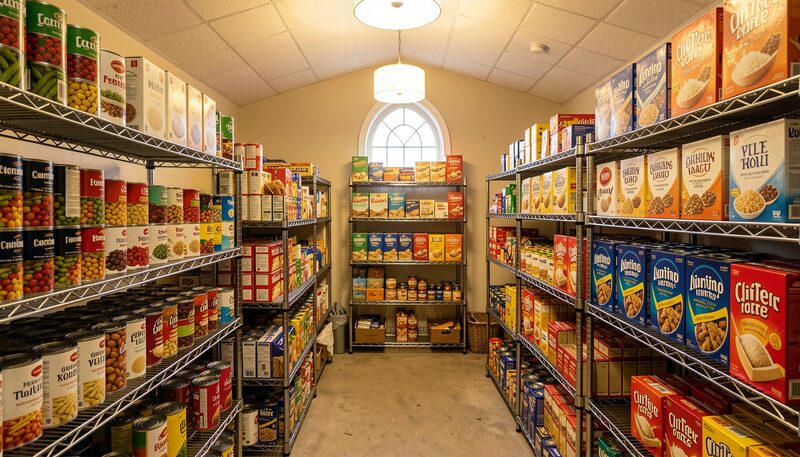
When Rent, Utilities and Food Come Due at Once
Where a Macon household can start when a tight month hits: rent, utilities, food, the paperwork to bring, and how churches point people to the right program.
Elsewhere in the magazine
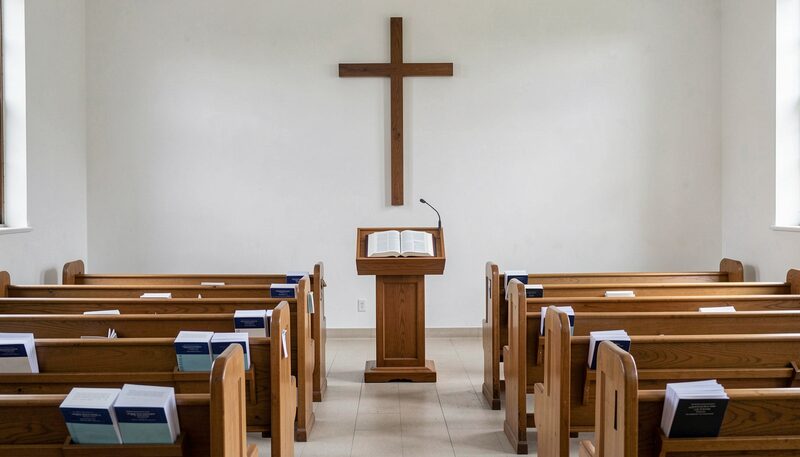
Lutheran Faith and Worship
What Lutherans Believe
A plain introduction to Lutheran belief: grace alone, faith alone, scripture, baptism and holy communion in the Small Catechism.
Grace alone, faith alone, scripture alone, in plain words.
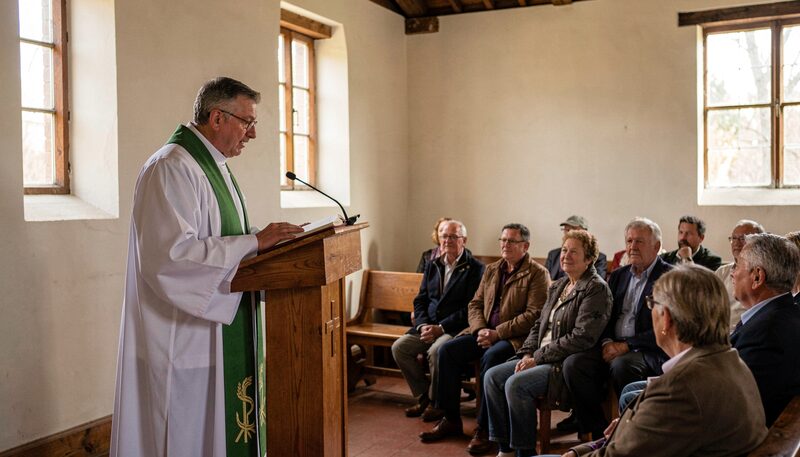
Lutheran Faith and Worship
Inside a Lutheran Sunday Service
The shape of Lutheran worship from opening hymn to benediction: confession, word, sermon, creed, prayers and holy communion.
From the opening hymn to the benediction, step by step.