Outreach and Service in Macon
When Rent, Utilities and Food Come Due at Once
Where a Macon household can start when a tight month hits: rent, utilities, food, the paperwork to bring, and how churches point people to the right program.

A household facing a tight month can start by calling 211, the free referral line run by United Way of Central Georgia, which keeps a current list of rent, utility and food programs in Macon and Bibb County. The next step is to pick one bill and one agency, rather than calling every number on the list. Most programs pay a specific bill once, so a family that arrives with a disconnect notice or an eviction notice in hand is easier to place than one asking for general help.
Start With the Bill That Has a Deadline
Rent and utilities are handled differently, and the difference matters when a month is short. Rental help usually runs through a nonprofit or a church benevolence fund, and it is often tied to a written notice from a landlord. Utility help in Georgia runs through the Low Income Home Energy Assistance Program, known as LIHEAP, which is administered in this region by the Middle Georgia Community Action Agency. LIHEAP opens and closes in windows during the year, so a family that misses one window may be told to wait for the next.
Food is the fastest of the three to arrange. A pantry does not usually ask about income at the door, and a family can often leave with groceries the same day. Rent takes longer, because someone has to verify the amount owed and write a check to a landlord rather than to a tenant. Utilities fall in between: a pledge to a power company can be made in a day, but it may take several days to post to the account.
Readers who want to understand how aid is organized before they call, including the difference between housing allowances and family benefits, can read this plain-language guide to family benefits and housing aid. It is written for families in France, so the programs are not Macon's, but the way it sorts aid by situation and activity is the same sorting a caseworker here will do.
What Paperwork Should a Family Bring?
Bring more than you think you need, in one folder, and bring it the first time. Caseworkers at Macon nonprofits describe the same short list over and over:
- Photo identification for every adult in the household.
- Social Security cards or numbers for each person in the home.
- Proof of address, such as a lease, a mortgage statement or a recent utility bill in the household's name.
- Proof of income for the last thirty days: pay stubs, a benefit letter, or a signed statement if there is no income.
- The bill itself. For rent, a written notice from the landlord with the amount owed and the date it is due. For utilities, the most recent statement or a disconnect notice with the account number.
- A phone number where the agency can reach you, and a landlord's phone number if rent is the request.
Two documents cause most of the delay. The first is the landlord notice, because a verbal warning is not enough for most funds to release money. The second is proof of income, because a household that has just lost hours may not have a pay stub that reflects the loss. A letter from an employer, or a termination letter, can fill that gap.
It also helps to know what a program will not do. Most do not pay a full month of rent repeatedly, do not pay deposits on a new lease, and do not hand cash to a family. A pledge goes to the landlord or the utility. A family that understands this ahead of time spends less of a hard week on applications that were never going to fit.
How Congregations Help Without Running the Program
Most Macon churches do not operate a rent fund of their own, and the ones that do keep it small and quiet. What congregations do well is know the list. A deacon, a parish nurse or a church secretary often has a short set of names and numbers that actually answer the phone, and that knowledge is worth more than a general referral.
The pattern that works is a handoff, not a promise. A church member sits with the family, helps sort the papers into the order a caseworker will ask for them, makes the call from the church office, and writes down the appointment time. The church does not say the bill will be paid. It says the family will not have to explain its situation from the beginning at every door.
Some congregations keep a discretionary fund for the gaps that programs leave: a partial payment, a bus pass, a tank of gas to reach an appointment. Others cover what food stamps do not, such as diapers, cleaning supplies and toiletries, which are rarely available at pantries. None of this replaces a program. It keeps a family moving while a program does its work.
Where Does Food Fit In?
Food is the part of a tight month that can be solved today. Macon has a dense network of church pantries, and several distribute on set days with no appointment. A family should ask two questions before going: what days and hours the pantry is open, and whether it can serve people from outside its own zip code. Some pantries are tied to a neighborhood and some are not.
The second question is what the pantry actually stocks. Shelf-stable boxes are common. Fresh produce, meat and dairy depend on the week and on whether the pantry has refrigeration. A family cooking for children may want to ask whether the boxes include items a child will eat, and whether there is formula or baby food.
For households with children in Bibb County schools, the school system is also a food program. Free and reduced-price meals continue during the school year, and many schools send weekend bags home with students who need them. A school counselor or front-office staff member can enroll a child without the family going through a separate agency.
What If the Answer Is No?
A no is common, and it usually means the wrong program rather than no help at all. If a rent fund is empty for the month, the same agency may still have utility money. If LIHEAP is closed, a church fund may cover a small balance to stop a disconnect. If a pantry is out of fresh food, a second pantry a few miles away may have it.
It helps to ask one direct question at the end of every call: what else is open right now? Caseworkers hear the same requests all week and often know which fund has money left, which one has a waiting list, and which one answers the phone before noon. Writing down the name of the person who answered, and the date, saves a repeat conversation later.
A family should also keep its own record. A single page listing every call, the agency, the person, the answer and the next date to check turns a scattered week into a plan. If the same bill comes due again next month, that page is the starting point rather than the beginning.
When to Ask for a Longer-Term Fix
One-time help solves one month. A household that is short every month needs a different conversation, and Macon has places for it. A caseworker at a community action agency can review the whole budget, not just one bill, and check whether the family qualifies for ongoing assistance with food, health coverage or child care. A legal aid office can look at an eviction notice and explain what a landlord can and cannot do.
Churches can point to these offices the same way they point to a pantry: by name, by phone number, and by what to bring. The congregation's role is not to run the program or to promise an outcome. It is to make sure a family does not face the paperwork alone, and to keep pointing until someone with the funds says yes.
A short month rarely ends with the rent receipt. Readers who want to see how one Macon congregation turns its own ground into something useful can look at a garden for the children, which follows a church plot through a Middle Georgia year, from what it needs to start to who waters it in July and how a Sunday school uses it. It is a different kind of help than a utility notice, but it belongs to the same question of what a congregation keeps doing after the immediate bill is paid.
A tight month often means several bills land at once, and the order in which a household answers them matters. The published guidance behind this article, including the sections on starting with the bill that has a deadline, on the paperwork a family should bring, and on how congregations help without running the program, comes from the 211 referral line. It also covers where food fits in, what to do when the answer is no, and when to ask for a longer-term fix.
Read next
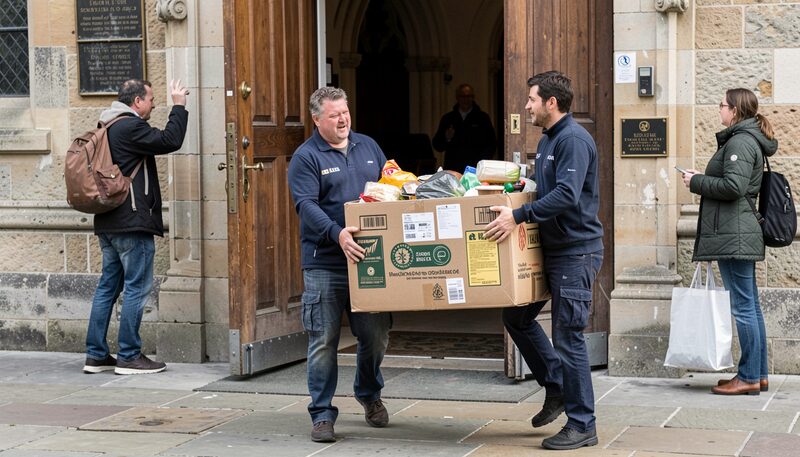
Outreach and Service in Macon
Outreach and Service in Macon
Food and clothing pantries, volunteering across Middle Georgia and the stewardship that pays for congregation outreach.
Pantries, volunteering and the money that funds congregation work.

Outreach and Service in Macon
Food and Clothing Pantries
How congregation pantries work: opening hours, eligibility, the donations that truly help and what a pantry week looks like.
How a pantry week runs, for users and for donors.
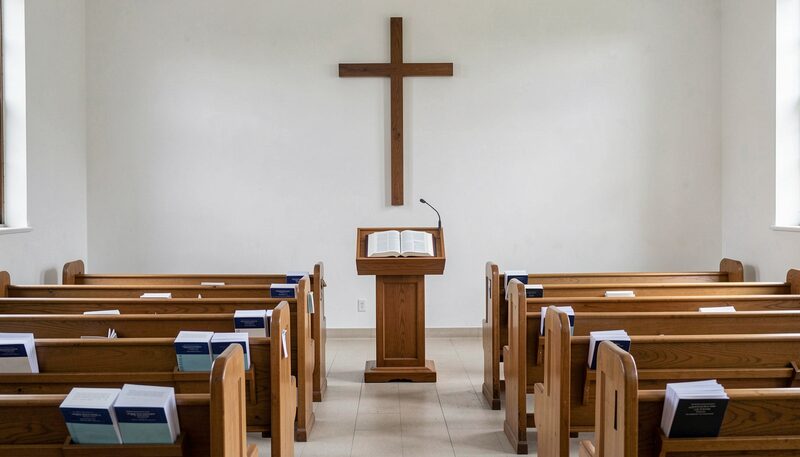
Lutheran Faith and Worship
What Lutherans Believe
A plain introduction to Lutheran belief: grace alone, faith alone, scripture, baptism and holy communion in the Small Catechism.
Grace alone, faith alone, scripture alone, in plain words.