Congregation and Family Life
Children and Family Ministries
What church programs offer families: Sunday school, children's music, youth groups and seasons such as vacation Bible school.
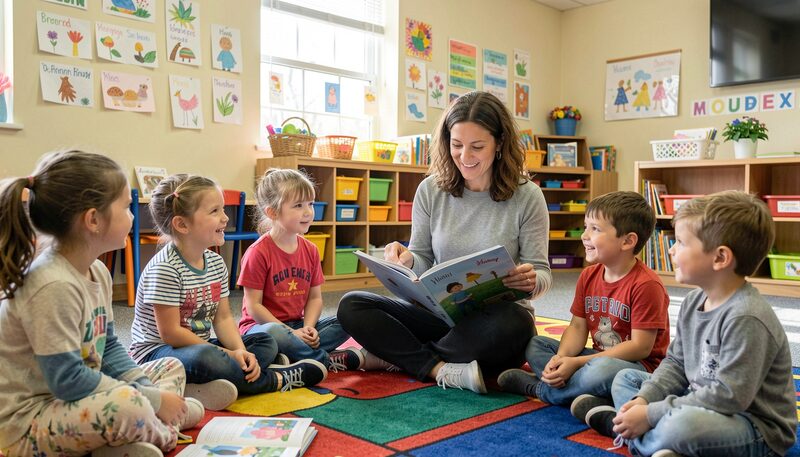
Ask a congregation what keeps its calendar full and the answer, more often than the building fund, is children. Sunday school rooms, cherub choirs, youth group vans and vacation Bible school week in June: the machinery of children's and family ministry runs through nearly every church in Macon, whatever the denomination. The article that follows describes how these programs work in an ordinary congregation, what a family can expect when it joins one, and how churches staff and safeguard them. It is written for parents weighing a church, for grandparents scouting for the grandchildren, and for members wondering whether helping with the children is their next step.
Why churches invest in children
The theology is straightforward. In baptizing an infant, a congregation promises, out loud and in front of witnesses, to teach the child the faith, and children's ministry is the keeping of that promise. The promise is mutual: parents and sponsors commit to worship with the child and to pray at home, and the congregation commits to provide teachers, rooms, curriculum and years. A church that runs a strong program for families is not offering childcare so the adults can concentrate; it is raising its own next generation, and the difference shows in the program's seriousness. Congregations plan around families the way a city plans around schools.
What Sunday school looks like now
The classic model still anchors most congregations: children gather Sunday morning, either before or after the main service, in classes grouped by age or school grade, with adult teachers working from a published curriculum. A lesson typically opens with a bible story, moves to an activity or craft, and closes with a prayer; the better curriculums hand parents a take-home sheet that echoes the story for the car ride. Many congregations have shifted the children into the first part of the worship service itself, then dismissed them to a children's chapel before the sermon, a compromise that keeps families arriving together. Rooms are cheerful, supplied and rarely architectural showpieces; a congregation converts whatever closet, corner or classroom it has. The order of a Lutheran service, described elsewhere in this magazine, makes clear that children remain part of the assembly even when they leave for part of the hour.
What happens at vacation Bible school?
Vacation Bible school, VBS in every church conversation, is a week of summer programming built around a single theme: a bible story sequence, songs with hand motions, games, snacks and a mission project. Publishers ship complete kits, decorations and music included, and congregations adapt them to their numbers, from a dozen children with volunteers at folding tables to a hundred with a full stage set in the sanctuary. VBS runs mornings or evenings for one week, is almost always free, and is routinely open to the neighborhood without any membership expectation, which makes it the front door through which many Macon families first meet a congregation. Adults who want a low-stakes first taste of church volunteering will find the article on getting involved in a congregation describes exactly this path: VBS week needs decorators, snack servers and group leaders more than it needs theologians.
What do children's music and pageants do?
Music carries much of the children's program. Cherub and children's choirs rehearse weekly and sing in worship monthly; handbell choirs for older children teach counting and cooperation along with the hymn tune. The annual Christmas program, in which the children of the congregation re-enact the nativity with bathrobes and determined shepherds, remains the best-attended ordinary Sunday of many congregations' years. These performances matter beyond cuteness: a child who has sung the carols in costume owns them differently at sixty. The wider role of hymns and liturgical music in worship has its own article at hymns and liturgical music.
What about youth group and confirmation?
Middle school brings confirmation, the two- or three-year program in which young members study the tradition, usually with the pastor working through a catechism, and then affirm their baptismal faith publicly. Lutherans take the name seriously; the article on what Lutherans believe outlines the doctrinal content the classes cover. Around the classes runs a youth group: Sunday evening or weeknight gatherings, summer trips, service days and the yearly fundraising effort that keeps the van insured. Youth ministry survives on a short list of dependable adults who show up, drive and remember birthdays, and congregations know exactly who they are.
What do family ministries offer beyond Sunday?
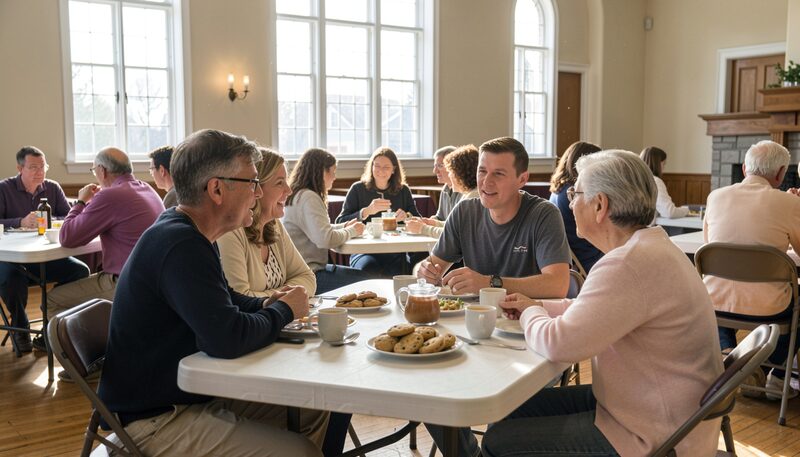
The newer layer in many congregations is ministry to families as families, not merely to children as students. Parenting groups meet over coffee with a curriculum; intergenerational events turn the fellowship hall into a game night or a Lenten soup supper; new-parent meals and meal trains appear at births and hospitalizations without being requested. Some congregations run a parents' morning out or a weekday preschool, which functions as much as community service as membership pipeline. The common thread is the meal table: congregations have learned that families come back to places that fed them, in both senses, and the practice is as old as the tradition itself.
How are the children kept safe?
A word on safeguarding, because parents ask and should. Responsible congregations now run background checks on adults who work with minors, follow two-adult rules for classrooms and vehicles, and maintain check-in procedures for the youngest children. Denominations publish safe-church policies their congregations adopt, and a parent is entitled to ask a coordinator directly what policy is in force. Asking the question is not an accusation; it is the sign of a family that reads the room carefully, and the good coordinators answer it with a folder.
How does a family start?
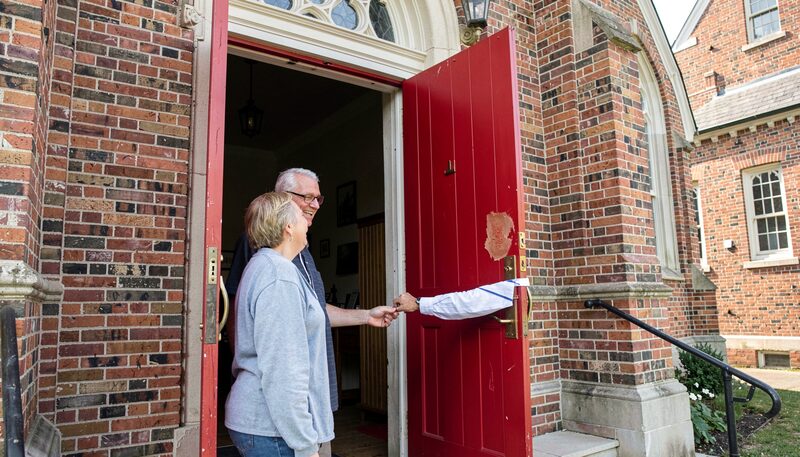
The practical entry is simple. A family checks a congregation's listed times, arrives ten minutes early enough to find the classrooms, and tells the first greeter it is a first visit; greeters in Macon congregations treat that sentence as their entire job description. The article on a first visit to a church walks through the rest of the morning, from the offering plate to the coffee hour. After two or three Sundays, the children's coordinator will know the children's names, and the family will know whether the drive, the hour and the room fit. That is the whole decision, and congregations around Pierce Avenue and beyond make it easy to take the time to make it well.
Children's ministries often move from one season to the next, and a garden gives that calendar something to grow alongside. A plot on church ground can carry a Sunday school class from spring planting through a Middle Georgia summer, with questions about water, shade, and who tends the beds in July. The article on a garden the children plant describes what such a plot needs to start and how a congregation uses it through the year. Families who want another way to serve together can also read about food and clothing pantries in Macon churches.
Read next
Congregation and Family Life
Congregation and Family Life
Children and family ministries, first visits, adult study groups and the small steps that turn Sunday visitors into members.
Family ministries, first visits, study groups, and the path to belonging.
Congregation and Family Life
A First Visit to a Church
Arriving, parking, what to wear, communion practice and the coffee hour after the service: a calm walkthrough for new visitors.
Parking, dress, communion practice and the coffee hour, calmly.
Lutheran Faith and Worship
What Lutherans Believe
A plain introduction to Lutheran belief: grace alone, faith alone, scripture, baptism and holy communion in the Small Catechism.
Grace alone, faith alone, scripture alone, in plain words.